THE BAND
Jonah Briggs | Elara Vance | Cal Finnegan
Selah Vance
Selah Vance | Mountain Dulcimer, Autoharp, Clawhammer Banjo
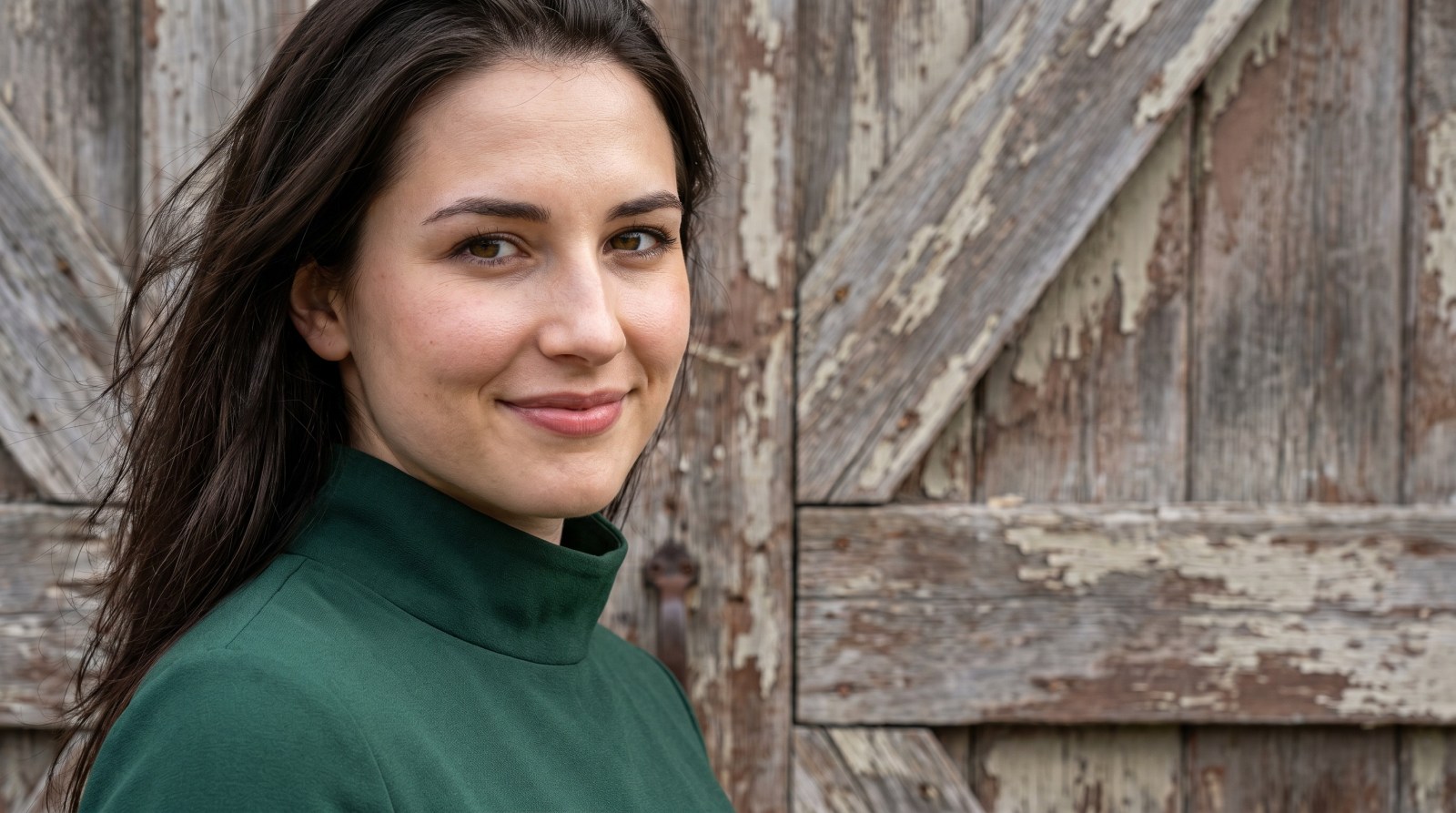
Selah Vance’s family has been rooted in the Watauga County hills for at least six generations — long enough that her grandmother still referred to certain hollers by names that appeared on no official map. Nobody in the house played an instrument with any seriousness, but her mother Darlene had a habit of humming while she worked. Selah would later describe it as the first backing track she ever heard.
The dulcimer arrived when she was eleven, in a cardboard box from a great-uncle’s estate: a tin of buttons, some paperback Zane Greys, and a lap dulcimer with two of its four strings missing. No one knew whether Harlan had ever played it. Selah took it to her room, tuned the remaining strings by ear against a borrowed pitch pipe, and more or less didn’t put it down for three years. She wasn’t drawn to melody first but to the drone — that persistent open string underneath everything, the note that doesn’t move while the world around it shifts. People who have played with her say she is like that in life too.
She studied ethnomusicology at Appalachian State in Boone, where a sophomore seminar on the Child Ballads redirected the course of her life. The professor played them a 1939 Alan Lomax field recording of a woman in Eastern Kentucky singing “The House Carpenter” a cappella in a room that sounded like the inside of a well. Selah got hold of the recording and played it again. And again. Her senior thesis was on modal tunings in the pre-WWII dulcimer tradition of the Blue Ridge.
She spent the next several years cataloguing donated recordings, photographs, and manuscript music at the Appalachian Collection in Belk Library — much of it donated by families who had no idea what they were handing over. She developed a reputation for being able to identify a singer’s county of origin by ear. Sometimes valley-within-county. She completed a Master’s in Library and Information Science while continuing the archival work, trained herself on autoharp and clawhammer banjo as additional colors she might need, and performed solo dulcimer arrangements of songs so obscure that audiences assumed she had written them herself.
She was not looking to join a band. She had her archive, her solo work, her screened porch in Boone. What pulled her in was the repertory — poetry reaching toward something genuinely old, genuinely strange. She recognized the impulse.
In rehearsal, Selah tends to sit slightly back from the circle and ask questions rather than make declarations: What feeling are we after here? Where does this song want to resolve? The arrangements that emerge from those questions are usually more austere than what the band started with. She has strong opinions about ornamentation — specifically about restraint in it — and believes that most modern folk arrangements over-explain themselves, filling every space that the song intended to leave open.
A reviewer once described her dulcimer playing as “the sound of a very old house settling in the dark.” She reportedly framed it and hung it in her kitchen.
She keeps her arrangements and research in black hardcover Mead notebooks, always the same brand. She has filled fourteen of them. She is not on social media. She owns two cats, both named after women from Child Ballads — Barbry and Fair Ellen — and a large collection of 78 rpm records housed in a room her guests are strongly encouraged not to touch.
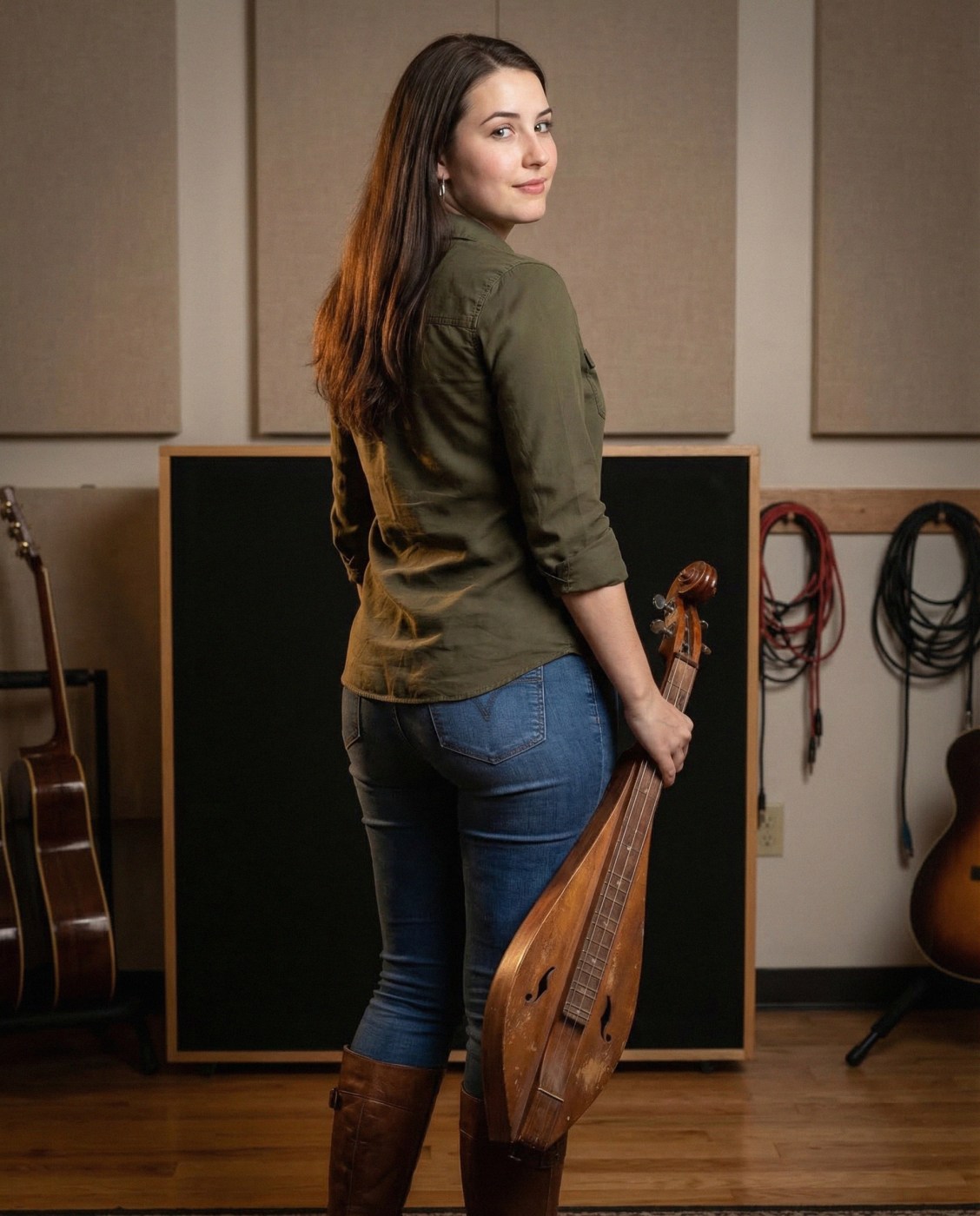
She is the first to arrive at soundcheck and the last to leave the stage. Without her, Kat’s Sundog wouldn’t sound like itself. It wouldn’t sound like it came from anywhere worth the trouble.

